بسم الله الرحمن الرحيم
I seek assistance in all of Allah’s Names, emphasizing: ar-Rahmān ar-Rahīm.
Introduction
All praises are due to Allah. I bear witness that there is no deity worthy of worship besides Allah who is alone without any partners. I further bear witness that Prophet Muhammad is Allah’s servant and last messenger sent to mankind. May Allah’s commendation and protection be over the Prophet, his family, Companions, and followers until the Last Day.
Throughout my time in Makkah al-Mukarramah, I have had conversations related to the Hanbali Madhhab among numerous students who specialize in Sharī’ah and are enrolled in Islamic Universities and institutes across Saudi Arabia. During those discussions, it became apparent that many were unaware of the major Hanbali scholars and their authored books and treaties. Being all too familiar with that feeling myself, and after much prayer, thought and deliberation, I have decided to compile concise biographies of these great Imams along with details of their works.
My intent behind this compilation is to firstly please Allah alone by facilitating knowledge for my fellow Muslims. I also pray that this information will 1. educate current and future beginner Fiqh disciples about the lives and status of these great Imams and 2. serve as revision for the seasoned Fiqh student – be they Hanbali or not وفقهم الباري.
I have sifted through the bellies of books and exerted my efforts in order to provide authentic, proper, and relied upon information – إن شاء الله – about these Hanbali Imams. The presented material is composed of written sources of the past, statements and research of my scholars and teachers, and benefits from my own personal studies and experiences. I ask Allah to place Barakah (increased consistent blessings) in this endeavor and also within the lives of those who read and benefit from this work. May Allah accept this deed for His sake alone.
Once a person has a better idea of a scholar’s biography, their focus and desire to study their works will naturally increase. Seeing that “al-Rawdh al-Murbi’ الرَّوْضُ المُرْبِع” by al-Buhūti is studied in all Universities and Colleges for Sharī’ah majors in Saudi Arabia, I thought it was only suitable to begin this series writing about this tremendous Imam. I say:
جزى الله خيرا من تأمل شرحتي … وقابل ما فيها من السهو بالعفو
وأصلح ما أخطأت فيها بفضله … وفطنته أستغفر الله من سهوي
إِنْ أُرِيدُ إِلَّا الْإِصْلَاحَ مَا اسْتَطَعْتُ ۚ وَمَا تَوْفِيقِي إِلَّا بِاللَّهِ ۚ عَلَيْهِ تَوَكَّلْتُ وَإِلَيْهِ أُنِيبُ
1. Imam al-Buhūti (1000-1051h)
He is the Scholar, Jurist, Scholar of the Hanābilah in Egypt during his time:
Abu as-Sa’ādāt, Zayn ad-Dīn, Mansūr b. Yunus b. Salāh ad-Dīn b. Hasan b. Ahmad b. Ali b. Idrīs al-Buhūti (ascription to Buhūt بُهُوْت, a land in Egypt) al-Hanbali al-Masri (Egyptian) al-Qāhiri (from Cairo).
He was born in the year 1000h and died 1051h, may Allah have mercy on him.
His Character and Knowledge: al-Buhūti was known to be extremely generous and a truly selfless scholar. Jumu’ah nights were designated as occasions to gather and host his congregation and people. If one of them became ill, he would visit them. In fact, he would even take them to his own home and treat them until they were cured. al-Buhūti was beloved by his peers. Many people would donate charity to this great scholar but he would not take anything from it. Instead, he ensured that the charity was distributed to his students at his lessons. (This is something that I’ve also seen practiced during the lessons of Sh. Yahya al-Mudarris حفظه الله at Masjid Haram)
During his time, al-Buhūti was the reference point for all religious verdicts. al-Buhūti is one of the more notable scholars of the Hanbali Madhab and is considered the bridge in understanding older Hanbali works.
His Scholars: He learned under numerous scholars; the more prominent among them were: Abdur-Rahmān b. Yūsuf b. Ali al-Buhūti, Muhammad b. Ahmad al-Mardāwi al-Qāhirī (who he benefited from the most), Yahya b. ash-Sharaf Musa al-Hajjāwi, and others.
His Students: Due to Allah’s success and favor, al-Buhūti was able to obtain much knowledge which reflected through his actions and character. As a result, many students flocked all over from Shām, Ba’labak, Filistīn, Najd, and other places to his gatherings in Egypt in order benefit from his knowledge, wisdom, insight, and manners. From them were: his nephew Muhammad b. Ahmad al-Buhūti (al-Khalwaty), Muhammad b. Abu as-Surūr, Ibrahim b. Abu Bakr as-Sālihī, and others.
Authorship (in chronological order):
1. Irshād Ūli an-Nuhā Li Daqāiq al-Muntahā إِرْشَاد أُوْلِى النُّهَى لِدَقَائِق المُنْتَهَى

This is considered to be the first work authored by the Shaykh and it is a commentary* on selected parts of Muntahā al-Irādāt (full title: مُنْتَهَى الإِرَادَات فِي الجَمْعِ بَيْنَ المُقْنِعِ والتَّنْقِيْح وزِيَادَات) by Taqi ad-Dīn Muhammad b. Ahmad b. Abdul-Aziz al-Futūhi, more famously known as “ibn an-Najjār” (972h). To learn more about this indispensable book click HERE.
al-Buhūti completed this work in 1036h at the age of 36, 15 years before his passing.
This publication, pictured to the left, has been printed in two volumes under the checking and editing of Sh. Abdul-Malik b. Abdullah b. Duhīsh جزاه الله خيرا. This book, along with some that will be mentioned in this post, are extremely rare and are nowadays mostly bought secondhand. Advice: if you stumble across a copy, buy it immediately.
*Benefit: The difference between a حَاشِيَة (commentary) and شَرْح (explanation).
Sh. Abdus-Salām ash-Shuway’ir حفظه الله once relayed a few differences between these two terms:
A. An explanation is performed over an entire text while a commentary only highlights certain places within the text.
B. An explanation focuses on expounding on the overall meaning of the texts with evidences all whilst clarifying vague and confusing statements. A commentary is not restricted to that and can highlight and elaborate on any aspect of the text.
C. Sh. Sāmi as-Suqayr حفظه الله once mentioned that a commentary will expound on certain words in a text that require further research and correction. This is why you will find more precision and details in commentaries over explanations.
A principle: one only reads the commentary after reading and understanding the explanation. This is done for the purpose of additional benefit and further clarification of unclear words and issues.
2. Commentary of al-Iqnā’ حَوَاشِي الإِقْنَاع or حَاشِيَة عَلَى الإِقْنَاع
 This is another commentary written by al-Buhūti on a significant work within the Hanbali Madhhab entitled: الإِقْنَاع لِطَالِب الانْتِفَاع by Sharaf ad-Dīn Musa b. Ahmad b. Musa b. Sālim Abu an-Najā al-Hajjāwi (968h) (author of Zād al-Mustaqni’). Learn more about this essential work HERE.
Ibn Bishir narrated that Hanbali scholars have said, “All commentaries composed by the Hanābilah over those (Hanbali) texts are not relied upon – except for what was composed by al-Buhūti due to him being the precise researcher (of those issues within the Madhhab)…” (Unwān al-Majd 2/323).
al-Buhūti completed this work in 1040h, 11 years before his death.
This publication has been printed in two volumes by Maktabah ar-Rushd under the checking and editing of Sh. Nāsir b. Su’ood as-Salāmah جزاه الله خيرا.
3. I’lām al-‘Alām Li-Qitāl Man Intahaka Hurmah al-Bayt al-Harām إِعْلَامُ الأَعْلَام لِقِتَال مَن انْتَهَكَ حُرْمَة البيت الحرام
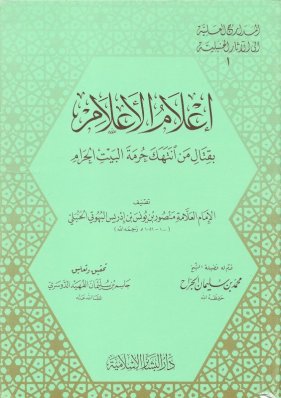
As seen in the title, this small treaty presents the ruling of those who breach the sanctity of Masjid Haram. During that time, there were a group of people who caused corruption and oppression in Makkah al-Mukarramah. The Egyptian army wanted to change this evil with their hands, so al-Buhūti provided this compact beneficial treaty clarifying the ruling of that action.
al-Buhūti completed this work in 1041h at the age of 41, 10 years before his death.
4. ar-Rawdh al-Murbi’ Explanation of Zād al-Mustaqni’ الرَّوْض الْمُرْبِع شَرْحُ زَاد المُسْتَقْنِع
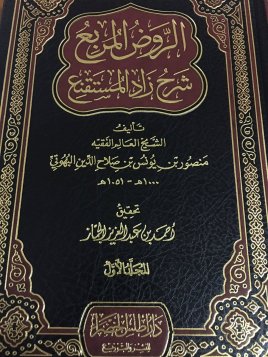
Out of all of the al-Buhūti’s works, this is his first “explanation شَرْح”. “ar-Rawdh al-Murbi'”, or “ar-Rawdh” for short, is an explanation to the famous manual: “Zād al-Mustaqni’ زَاد المُسْتَقْنِع في اخْتِصَار المُقْنِع”. To learn more about “Zād al-Mustaqni'” click HERE. “ar-Rawdh” is the designated book for Fiqh curriculums across various Universities, Colleges and Institutes specializing in the “Sharī’ah” major in and out of Saudi Arabia. This book is a staple for any student of the Madhhab. “ar-Rawdh” is studied multiple times over along with its additional commentaries. Sh. Abdur-Rahman al-Uthaymīn رحمه الله said about “ar-Rawdh”: “…it is the mainstay of the Fuqahā, methodology of the students, and reference point for the scholars.” (checking of as-Suhub al-Wābilah: #766)
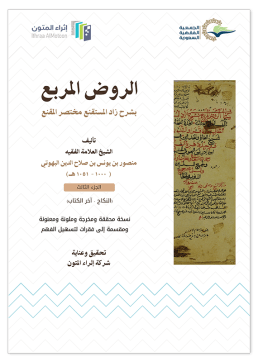
Imam al-Buhūti consistently provides evidences and reasonings for the various issues discussed in any manual he explains. His style of explanation is unique as he usually combines his words with the original text; the final product is as if you’re reading one fluid book. This method simplifies and resolves any complex and/or ambiguous phrases utilized by the original author. This is no different with Zād al-Mustaqni’. That is why many scholars have advised editors and publishers to format this explanation in a way that clearly distinguishes the speech of Sh. al-Hajjāwi from the explainer رحمهما الله. In “ar-Rawdh”, al-Buhūti did not limit himself to the topics mentioned by al-Hajjāwi, instead, he added many issues with details in his explanation – all still in a concise manner. For this reason it is recommended to first study, understand and memorize “Zād al-Mustaqni'” before delving into “ar-Rawdh al-Murbi'”.
al-Buhūti completed “ar-Rawdh al-Murbi'” in 1043h, 8 years before his death.
This work is widely available in all types of prints and editions. I have posted two editions that I have personally found to be favorable over others, والله تعالى أعلم.
Due to the importance of this book, many scholars have written additional commentaries of its explanation. Most prominently:
A. Abdul-Wahhāb b. Fayrūs (1205h), which reached until the chapter of الشركة.
B. Abdullah b. Abdur-Rahmān Abā Batayn an-Najdi (1282h).
C. Abdullah b. Abdul-Aziz al-‘Enqiry (1373h). It is mentioned that the former Mufti of Saudi Arabia, Sh. Muhammad b. Ibrahim Al ash-Shaykh, preferred utilizing this commentary in order to prepare for his lessons.
There is some dispute as to whether this commentary is truly attributed to Sh. al-‘Enqiry or his student Muhammad b. Abdul-Muhsin al-Khayyāl (1410h). Shaykh Bakr Abu Zayd was informed by Sh. Abdul-Muhsin al-Khayyāl’s nephew that it was actually al-Khayyāl’s commentary and that al-Khayyāl would read this commentary to Sh. al-‘Enqiry who was blind. However, out of humility, al-Khayyāl would not accept anyone attributing that commentary to him over his teacher. So the students began attributing that commentary to Sh. al-‘Enqiry instead رحمهم الله. (al-Madkhal al-Mufassal 2/773)
However, Sh. Ahmad b. Abdul-Aziz al-Jummāz challenged that claim in his checking and editing of al-‘Enqiry’s commentary stating in summary:
1. The commentary was from al-‘Enqiry’s dictation while his students recorded these words down in writing. Thus it is considered to originally be al-‘Enqiry’s commentary.
2. Sh. al-Khayyāl was not the only student who copied this commentary down; there were others like Sh. Hamūd at-Tuwayjiree, Sh. Abdullah as-Sāni’, etc. رحمهم الله that contain the same points. Sh. al-Jummāz also mentioned two additional reasons which can be reviewed in his introduction (Hashiyah al-‘Enqiry 1/28).
D. Imam Abdur-Rahmān b. as-Sa’di (1376h). It is called: المُخْتَارَات الجَلِيَّة مِنَ المَسَائِل الفِقْهِيَّة. This work was not a direct commentary of “ar-Rawdh”. It is the selected opinions of Imam as-Sa’di that oppose the “Mu’tamad” opinions in the Hanbali Madhhab. Imam as-Sa’di organized the issues in this book similar to “ar-Rawdh” and quotes al-Buhūti often. For this reason many advise to read this commentary whenever studying “ar-Rawdh”.
E. Abdur-Rahmān b. Qāsim (1392h). My professors and teachers at the University and Haram highly recommend reading this commentary before we attend class as it addresses intricate details of the Fiqh issues and the most prominent Fiqhi selections. Sh Bakr AbuZayd mentioned that Sh. Abdul-Aziz b. Bāz would return often to this commentary رحمهم الله.
5. Kashhāf al-Qinā’ ‘an Matn al-Iqnā’ كَشَّافُ القِنَاع عن الإِقْنَاع
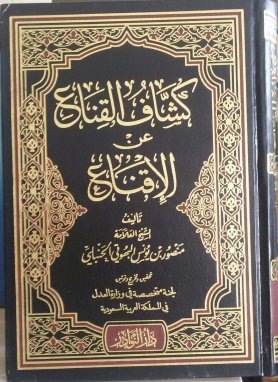
“Kashhāf al-Qinā'”, or “al-Kashhāf” for short, is an unrivaled explanation to the famous book “al-Iqnā'” (mentioned above, book #2). After penning commentaries for both al-Muntahā and al-Iqnā, Imām al-Buhūti then authored detailed explanations for them as well and he started with al-Iqnā. He followed the method Ibn Muflih’s (884h) “al-Mubdi’ المُبْدِع” explanation to al-Muqni’ by ibn Qudāmah (620h) رحمهم الله (for more information) by:
1. Not delving into differences of opinions from other schools of thought (except on some rare occasions) and concentrating on only positions held within the Madhhab
2. Explaining the text in the manner of the Mujtahidīn (independent scholars). He didn’t just simply (correctly) relay statements within the Madhhab, but also analyzed its validity with powerful evidences, insightful reasonings and conclusions.
Hence this explanation is held in high regard among the people of knowledge. In fact, this explanation along with his explanation to “al-Muntahā” (book #7) are both reference points used by judges in the Saudi Arabian court system (Declaration #3, 1/7/1347h) to offer rulings and settle disputes.
as-Saffāreenī (1188h) said regarding al-Kashhāf: “It is the best of his explanations.”
Sh. Sulaymān b. Ali b. Muhammad at-Tamīmī, grandfather of Sh. Muhammad b. Abdul-Wahhāb, also once wrote an explanation to al-Iqnā’. During the Hajj of 1049h he met Sh. al-Buhūti and read his explanation “al-Kashhāf”. Once he saw that “al-Kashhāf” was similar to his, he destroyed his own explanation in favor of al-Buhūti’s. (al-Madkhal al-Mufassal: 2/767)
When al-Buhūti started “al-Kashhāf”, he did not begin with the acts of devotion (Tahārah, Salah, Zakah, etc.). Instead, he first explained chapters related to transactions then concluded with explaining the chapters related to acts of devotion. (Ibn Bishir, Unwān al-Majd 2/323)
In this explanation al-Buhūti relied heavily on the following sources: “al-Mustaw’ib”, “al-Muharrar”, “al-Furū'”, and “al-Muqni'” and formatted the explanation based on one view. (Ibn Badrān, al-Madkhal 434-435)
al-Buhūti completed this work in 1046h, 5 years before his death.
This publication has been printed in 17 volumes by Dār an-Nawādir (pictured above) and is a copied version of the original. It was checked and edited by a number of scholars, most notably Sh. Bakr AbuZayd رحمهم الله.
6. al-Minah ash-Shāfi’yāt fi-Sharh al-Wāfiyāt المِنَح الشَّافِيَات فِي شَرْح الوَافِيَات
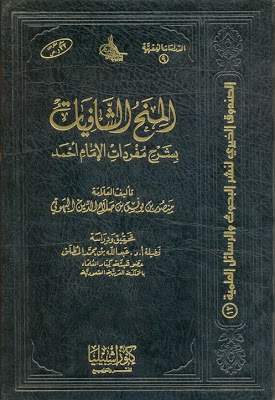
This is an explanation to a 1000-lined poem composed by ‘Izz ad-Dīn Muhammad b. ‘Ali b. Abdur-Rahmān al-Maqdasi as-Sālihi (820h) entitled: النَظْمُ المُفِيْد الأَحْمَد فِي مُفْرَدَات الإِمَام الأَحْمَد. This poem focuses on the topic of “al-Mufradāt المُفْرَدَات” or “Hanbali-exclusive rulings”. To learn more about the “al-Mufradāt” click HERE.
For this explanation he relied on:
A. “al-Insāf الإِنْصَاف في بَيَان الخِلَاف بَيْن عُلَمَاء المَذْهَب” by ‘Alā ad-Dīn Abul Hasan Alī b. Sulaymān al-Mardāwi (885h).
B. ash-Sharh al-Kabīr الشَرْح الكَبِيْر فِي ذِكْر الخِلَاف بَيْن المَذَاهِب وَأَدِلَّتِهَا by Shams ad-Dīn Abul Faraj Abdur-Rahmān b. Qudāmah al-Maqdisi (782h).
al-Buhūti completed this work in 1047h, 4 years before his death.
This explanation has been checked and edited by Sh. Abdullah al-Mutlaq جزاه الله خيرا and printed in two volumes.
7. Sharh Muntahā al-Irādāt: Daqā’iq Uli an-Nuhā li-Sharh al-Muntahā دَقَائِقُ أُولِي النُّهَى لشَرْح المُنْتَهَى
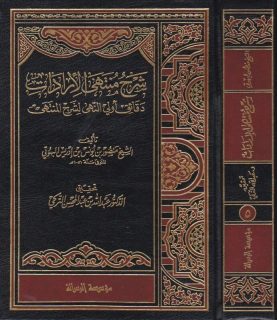
This is another fundamental explanation authored by al-Buhūti and it is entitled: “دَقَائِقُ أُولِي النُّهَى لشَرْح المُنْتَهَى”, or “ad-Daqā’iq” for short. It is an explanation for the famous book “al-Muntahā'” (mentioned above, book #1).
After ibn an-Najjār completed his manual “al-Muntahā” he decided to accompany it with an explanation to clarify any ambiguities that may have been present in the original text. As it is said, صاحب البيت أدرى بما فيه “the owner of a house knows best of its contents”. He titled his explanation: “Ma’ūnah Ūli an-Nuhā” مَعُوْنَة أُولَى النُهَى, or “al-Ma’ūnah” for short. This explanation has been printed in 12 volumes and was checked and edited by Sh. Abdul-Malik b. Duhīsh جزاه الله خيرا.
When al-Buhūti read “al-Ma’ūnah”, he stated that it was not a cure for the sick (perhaps the sickness of ignorance). He added that some places contained prolonged discussions with many details, but there were also other places that did not possess as much information and lacked mention of evidences and reasonings behind the rulings. After seeing the benefit of al-Buhūti’s previous works, some of the virtuous scholars and students requested al-Buhūti to write an explanation for “al-Muntahā”, which he did with Allah’s permission and success.
Sometimes the issues and conclusions mentioned by al-Buhūti in “ad-Daqā’id” will differ with what he mentioned in “al-Kashhāf'”. In that case, the views in this explanation “ad-Daqā’id” are given precedence as it was his latter opinions. This principle should be applied to all of his earlier works as well.
Both al-Muntahā and al-Iqnā’ and their respective explanations by al-Buhūti are considered to be the standard in order to know the position of the Hanbali Madhhab among the latter generation (885h-present).
al-Buhūti completed this work in 1049h, 2 years before his death.
This explanation has been checked and edited by Sh. Abdullah at-Turki جزاه الله خيرا and is printed in five volumes by Dar Ibn al-Jawzi and seven volumes in the “Mawsu’ah al-Fiqh al-Hanbali” edition.
8. ‘Umdatul Tālib Li-Nayl al-Ma’ārib عُمْدَةُ الطَّالِب لِنَيْلِ المَآرِِب
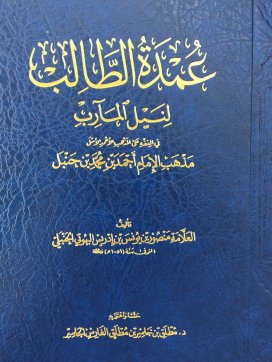
This is al-Buhūti’s final Fiqh work that is available to us. It is not an explanation or commentary like most of the previous works. Instead, it is a summarized Hanbali Fiqh manual composed by Imām al-Buhūti for beginners in the Madhhab. It resembles “Umdatul Fiqh” by Ibn Qudāmah, except that it addresses a few additional issues and removes mention of all evidences.
He called it (in short): “Umdatul Tālib” عُمْدَةُ الطَّالِب. Ibn Humayd referred to it as “al-Umdah Fī al-Fiqh” العُمْدَةُ فِي الفِقْه (as-Suhub, 3/1133) while Ibn Badrān said, “‘Umdatul Rāghib” عُمْدَةُ الرَاغِب.
This masterpiece is a culmination of al-Buhūti’s life’s work and brilliance put together in a concise suitable manner for the beginner. For this reason and more, many scholars have shown great importance to this book and its explanation: “Hidāyatul Rāghib” هِدَايَة الرَاغِب by Sh. Uthmān b. Ahmad an-Najdī (1100h). This explanation is the Fiqh curriculum for “Kitāb wa Sunnah” majors in Umm al-Qurā University, Makkah al-Mukarramah. There is also a poem version of it entitled: “Wasīlah ar-Rāghib li-‘Umdah at-Tālib” وَسِيْلَة الرَّاغِب لِعُمْدَة الطَّالِب by Sh. Sālih b. Hasan al-Buhūti (1121h).
al-Buhūti completed “Umdatul Tālib” in 1050h, less than a year before his death.
This publication has been printed in one volume under the checking and editing of Sh. Mutlaq al-Jāsir جزاه الله خيرا.
9. al-Mansik المَنْسِك
This work is a summary of the rulings related to Hajj. al-Buhūti references this work in Kashhāf al-Qinā’: (2/399) in the Dār al-Fikr edition and he referred to it as: نَصِيْحَة النَّاسِك بِبِيَان أَحْكَام المَنَاسِك.
Numerous scholars have mentioned that they have not come across this work. Among them were: Sh. Abdur-Rahman al-Uthaymīn in his checking and editing of as-Suhub al-Wābilah (3/1132), Abdullah at-Turki in his introductions to al-Buhūti’s works (specifically al-Kashhāf 1/34), Ibn Duhīsh (Introduction to al-Irsād: ع), and others.
However, Sh. Bakr AbuZayd mentioned in al-Madhkal al-Mufassal: (2/846-7) that the work does indeed exist and that it amounts to the total of 3 small handbooks. Allah knows best.
This concludes our presentation related to the life and works of this great Imam and Jurist: Abu as-Sa’ādāt, Zayn ad-Dīn, Mansūr b. Yunus b. Salāh ad-Dīn al-Buhūti al-Hanbali, may Allah have mercy on him and grant him the highest abode in Paradise. Aameen.
هذا، وصلى الله وسلم على نبينا محمد وعلى آله وصحبه أجمعين
سبحانك اللهم وبحمدك، أشهد أن لا إله إلا أنت، أستغفرك اللهم وأتوب إليك
✍️ Written by: Abu Awzaa’ee Abdus-Salaam al-Makki al-Hanbali عفا الله عنه
🕋 Makkah al-Mukarramah حرسها الله
🗓 29th of Dhul Hijjah, 1441 (08/19/2020)
👋 KeysToFiqh.com | T.me/KeysToFiqh
References:
1. As-Suhub al-Wābilah (#766, 3/1131) by Muhammad b. Abdullah b. Humayd an-Najdi al-Makki السُحُب الوَابِلَة على ضَرَائِح الحَنَابِلَة.
2. Unwān al-Majd Fee Akhbār an-Najd by Sh. Uthmān b. Abdullah Ibn Bishir عُنْوَانُ الْمَجْد في أَخْبَار النَّجْد.
3. al-Madkhal al-Mufassal by Sh. Bakr b. Abdullah AbuZayd المَدْخَل المُفَصَّل إلى فِقْهِ الإِمَام أَحْمَد بنِ حَنْبَل.
4. al-Madkhal ila Madhhab al-Imām Ahmad b. Hanbal by Sh. Abdul-Qādir b. Badrān المَدْخَل إلى مَذْهَبِ الإِمَام أَحْمَد بنْ حَنْبَل.
5. Madārij Tafaqquh al-Hanbali by Sh. Ahmad b. Nāsir al-Qu’aymi مَدَارِج تَفَقُّه الحَنْبَلِي.
6. al-Madhhab al-Hanbali by Sh. Abdullah b. Abdul-Muhsin at-Turki المَذْهَب الحَنْبَلِي.
7. al-Manhaj al-Fiqhee al-‘Ām by Sh. Abdul-Malik b. Abdullah b. Duhīsh المَنْهَج الفِقْهِي العَامّ لِعُلَمَاء الحَنَابِلَة.
8. Ma’ālim al-Madhhab al-Hanbali by Sh. Dhi’āb b. Sa’d al-Ghamdi مَعَالِم المَذْهَب الحَنْبَلِي مَا لَا يَسَعُ الحنبليَ جَهْلُهُ.
9. Introduction to Kashhāf al-Qinā’ by Sh. Abdullah b. Abdul-Muhsin at-Turki.
10. Introduction to Daqā’iq Uli an-Nuhā li-Sharh al-Muntahā by Sh. Abdullah b. Abdul-Muhsin at-Turki.
11. Introduction to Irshād Ūli an-Nuhā Li Daqāiq al-Muntahā by Sh. Abdul-Malik b. Abdullah b. Duhīsh.
12. Kunāshah Abi Awzaa’ee al-Makki al-Hanbali كناشة أبي أوزاعي المكي الحنبلي.
Categories: Benefits, The Hanābilah Series
 Keys To Fiqh